1. Home Smythson
  2. SMYTHSON MEETS: ANNA SEIDEL

SMYTHSON MEETS: ANNA SEIDEL

The business economist and poet on the art of the multi-hyphenate career.

Anna Seidel

The notion of a traditional linear career path is increasingly becoming a thing of the past. In its place has emerged the ‘multi-hyphenate’ – someone whose career spans industries, ideas, and disciplines. The Dutch-German business economist and writer Anna Seidel is a definitive example.

With a professional background in global investment and degrees in business economics and philosophy from Harvard and the University of St. Gallen, Anna’s unique path has since evolved toward the literary world. Today, her focus is on poetry and the written word – a transition marked by a Master’s degree in Creative Writing at Oxford and the founding of The Napkin Review, a platform that brings poetry into unexpected spaces through events and collaborations with a slew of global brands.

Throughout the different chapters of her life, Smythson has been a constant for Anna for over a decade. Whether she’s using them for stanzas or strategy, her notebooks and accessories have been a fixture in her ever-evolving career. We sat down with Anna to discuss her creative process, the inner workings of her notes, and the story behind her first Smythson piece.

Anna Seidel

IN CONVERSATION WITH ANNA SEIDEL

How did you transition from the corporate world of economics and investment to the creative arts? Do you ever reference your former life in your work now?

It was less a transition than a reframing. Investment teaches you about time, stewardship and durability – concerns that are equally present in literature. I began to see that both disciplines ask the same question: what endures?

How did you come up with the idea for The Napkin Review?

The Napkin Poetry Review began with a simple observation: some of our most interesting reflections are written on temporary surfaces – napkins, margins, and receipts – and then discarded. We wanted to elevate that ephemerality, to suggest that a fleeting thought, when honoured, can acquire permanence. Inspired by the idea that a great poet can capture a life on the back of a cocktail napkin, the platform celebrates poetry as both spark and structure, creation story and crafted form. Grounded in interdisciplinary research, we also explore poetry’s cognitive and social impact: how it shapes the brain, deepens empathy, and strengthens conceptual thinking. Through profiles, artistic collaborations, workshops, and cross-sector partnerships, we aim to position poetry not as a niche art form but as an accessible tool for cultural dialogue, well-being, and intellectual innovation across disciplines.

Where do you go or what do you do when you need a dose of inspiration?

I’m drawn to places that hold quiet continuity: hotel lobbies just after breakfast, trains between cities, or the same corner table in a café I’ve visited for years. Transitional spaces sharpen perception. They allow you to observe without needing to perform. Much of my work begins simply by watching.

Anna Seidel writing

How would you describe your creative process, and how does stationery fit into it?

My process is accumulative. I collect fragments: a line of poetry, a gesture observed, a colour or scent, collected travel memorabilia, and let them sit together before they resolve into form. A notebook provides structure for that accumulation. It is less a container than a framework or architecture for thoughts and feelings: a place where impressions can settle and shape into a narrative arc from different moments of discovery.

What do you enjoy most about putting pen to paper?

The pace. Writing by hand introduces deliberation. There is a physical relationship between hand, ink, and page that cannot be hurried. It demands attention, and in doing so, it gives weight to what is being said and understood.

When you get a new idea, where does it go first? Is it a voice memo, a notebook, or do you wait until you're back at your desk?

Directly to the paper, if possible. Writing something down by hand tests it. An idea that survives the page is usually worth developing.

Which Smythson product do you find yourself reaching for most?

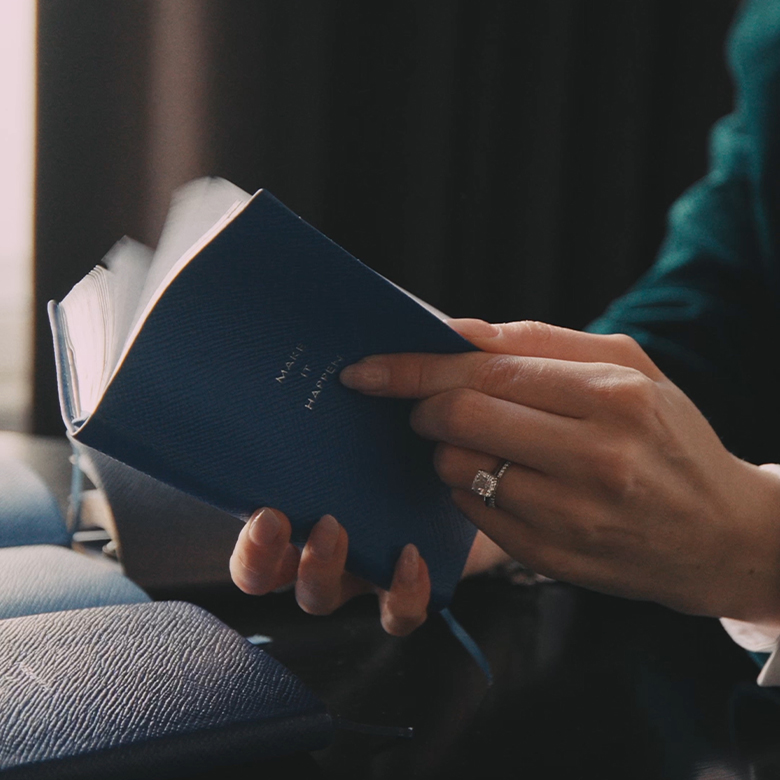
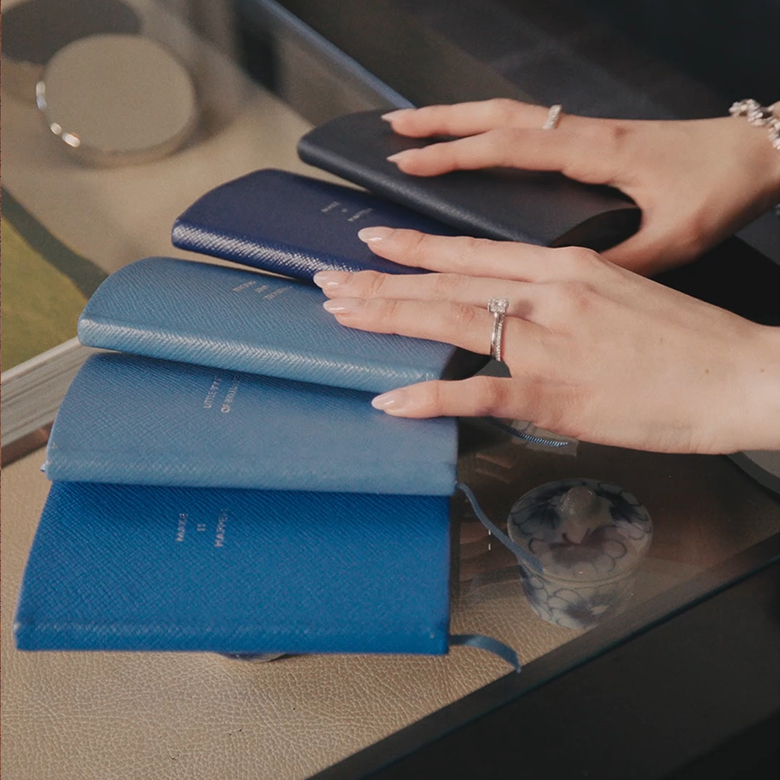
The Panama notebook. Its proportions are practical, but it also carries a certain discipline: it invites consistency. It travels with me everywhere and is a daily companion in my writing practice. It's my most prized possession, and I've kept notes, poem fragments, letters, tickets, pressed flowers, and photographs in my little Panama notebooks for nearly a decade now. It's the one item I couldn't live without – an archive of my inner and creative life.

Anna Seidel notebook detail

What might we find if we opened your notebook?

A stanza interrupted by a meeting note, observations on travel, Polaroids, sketches, and bullet-point lists. I rarely separate my intellectual and creative lives; they inform each other and co-exist on the page in my notebooks.

What is the one writing essential that’s always in your bag, regardless of where you are?

A Panama notebook and a black pen. Regardless of where I am – on the road, in meetings, or writing in bed on my nightstand – I like to be prepared for language.

How does travelling change your perspective? Do you find your best ideas come to you when you're in a new place or once at home?

Travel loosens the fixed idea of who we are. In unfamiliar streets and languages, something within us quietly rearranges; we can feel unexpectedly at ease in a new city; sometimes more so than in the places we have long called home. Writing grows from that same instinct: to look closely, to care deeply, and to practise patience and curiosity toward the many ways a life can unfold. The greatest joy lies in encounters: the history held in a façade, a conversation that lingers, or a cultural value revealed in something small and ordinary. Travel sharpens the senses; I listen harder, I notice more. Movement gathers these fragments, and in that heightened attention, they begin to form a map of moments, impressions, and meaning that can be shaped into a story, held on the page, and shared beyond a single lifetime.

What was the first Smythson piece you owned?

My first Smythson piece, alongside my collection of Panama notebooks, was a red leather keyring for the keys to my first flat in London. I still carry it. That small red talisman has followed me through chapters and cities – a reminder of the spaces where I found belonging and the homes I made through hosting, arranging, and slowly filling bookshelves with a life.

Blue or black ink?

Black ink.

Fountain pen, ballpoint, or pencil?

Ballpoint.

Notebook, loose sheets, or postcards?

Notebook.

Send letters or keep a diary?

Both for me. I write letters regularly to family and friends, and I have kept a diary since the age of 10 or 11; it's a way of returning to yourself.

Keep or recycle: old diaries and notebooks?

Keep them. Old diaries aren’t paper but proof. They are evidence of who you were, what you feared, what you misunderstood, and what you survived. Even the awkward pages matter; they show the quiet evolution of becoming.

Doodles or neat notes?

Neat notes.

What is the last thing you wrote down?

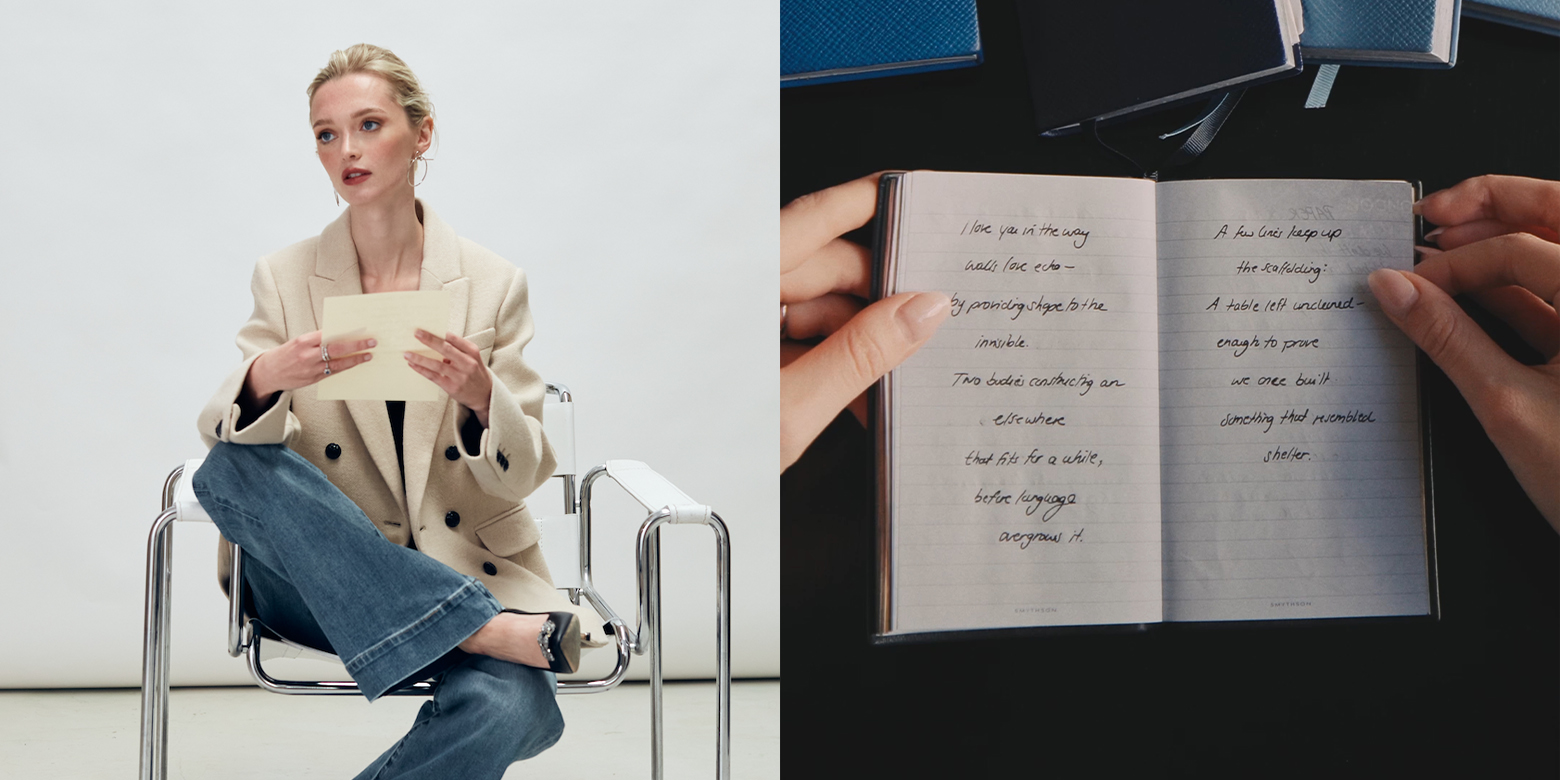
The body remembers doorways and scent, cities leaving their residue on the tongue – a life of borrowed rooms where language is the only passport, and dreams fold over each other like vellum.


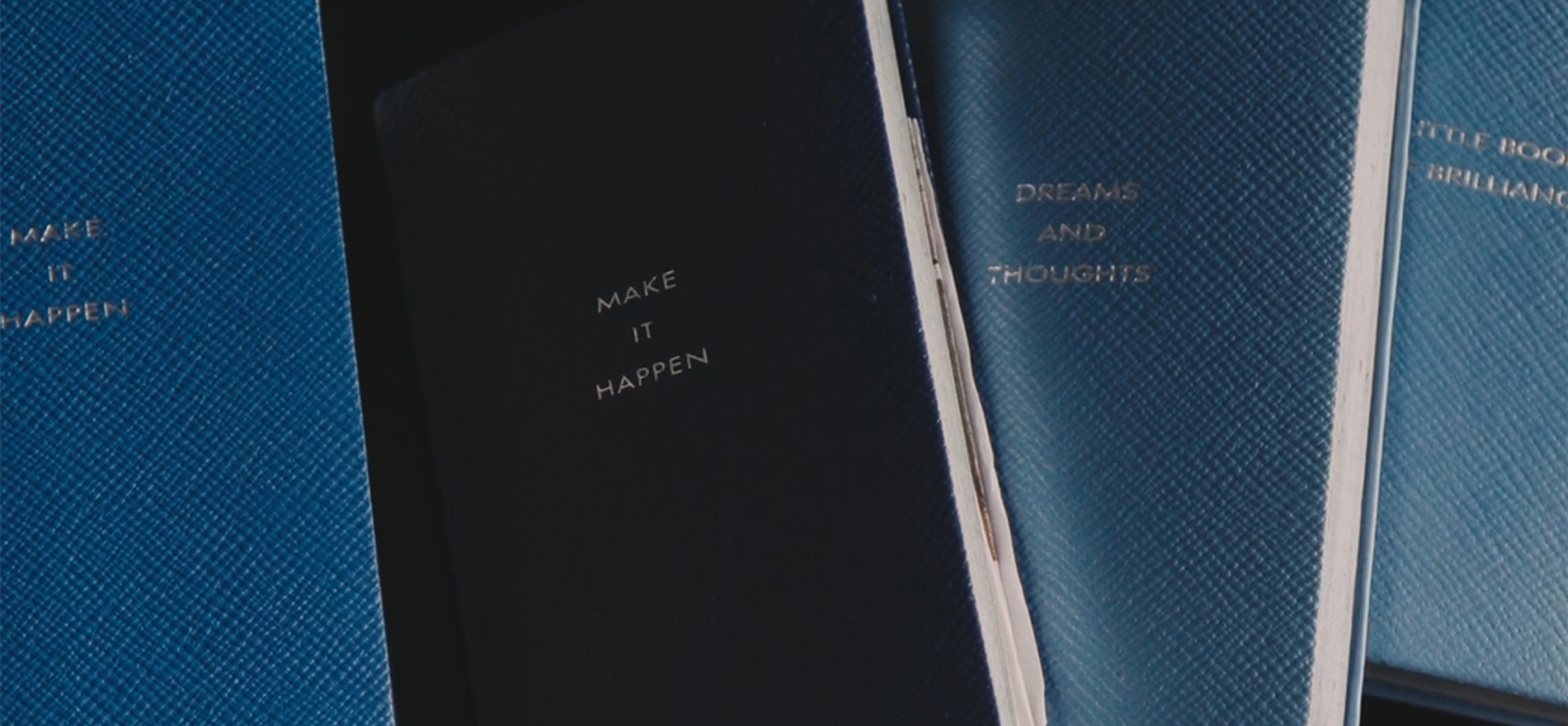
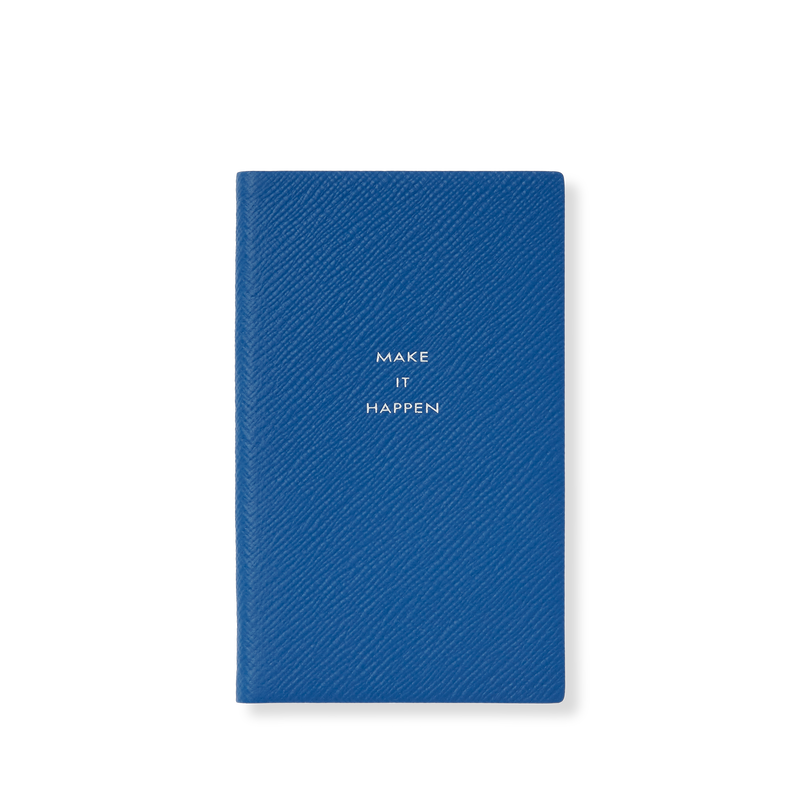
Make It Happen Panama Notebook

Make It Happen Panama Notebook

Shop Now
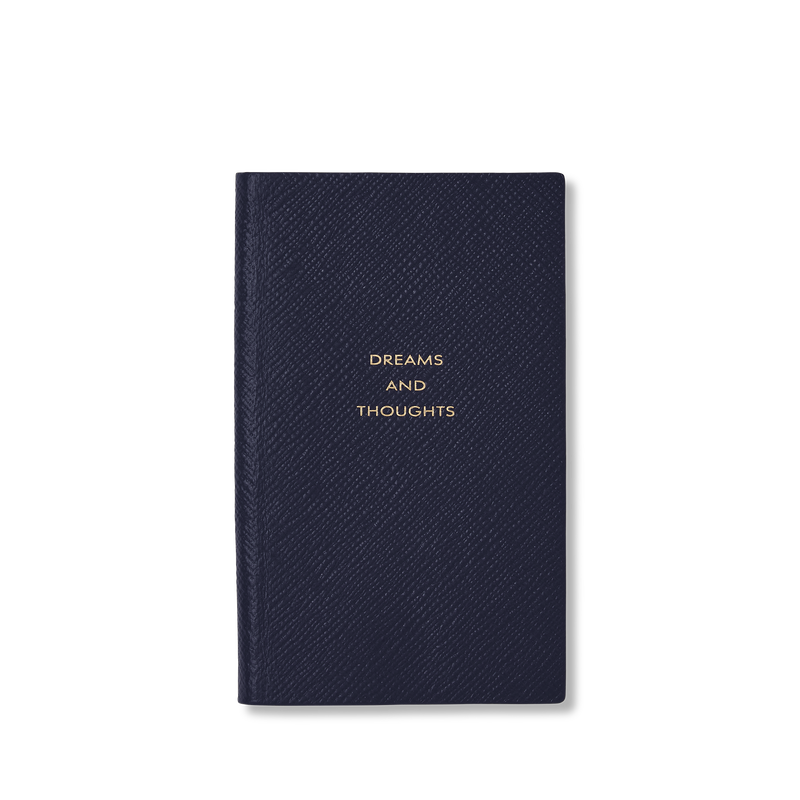
Dreams And Thoughts Panama Notebook

Dreams And Thoughts Panama Notebook

Shop Now
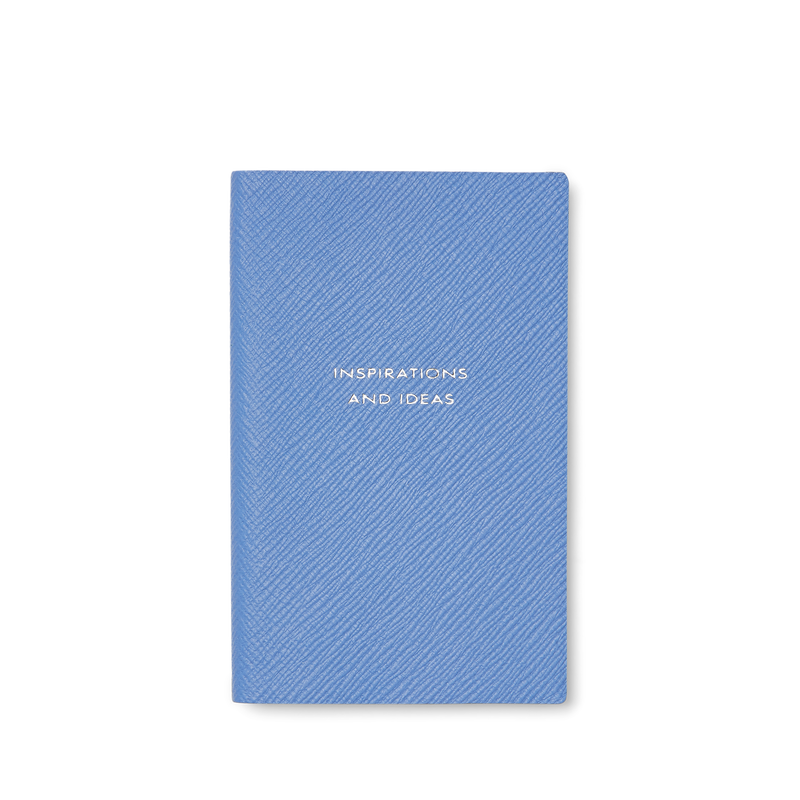
Inspirations And Ideas Panama Notebook

Inspirations And Ideas Panama Notebook

Shop Now